

LORNA LIVINGSTON
COUPLES COUNSELLING
100% confidential counselling • safe space to talk • Norfolk, Dulwich and Online
Helping you understand each other, improve communication and reconnect

Relationships can be incredibly rewarding, but they can also be difficult. Even strong relationships can go through periods where communication breaks down, arguments become repetitive, or you feel increasingly disconnected from one another.
Sometimes couples find themselves having the same arguments again and again, without really understanding how they got there. Other times, there may have been a particular event or change in the relationship that has left you struggling to move forward.
Couples counselling provides a confidential and supportive space for both of you to explore what is happening within your relationship, understand each other better and begin to make positive changes.
How can couples counselling help?

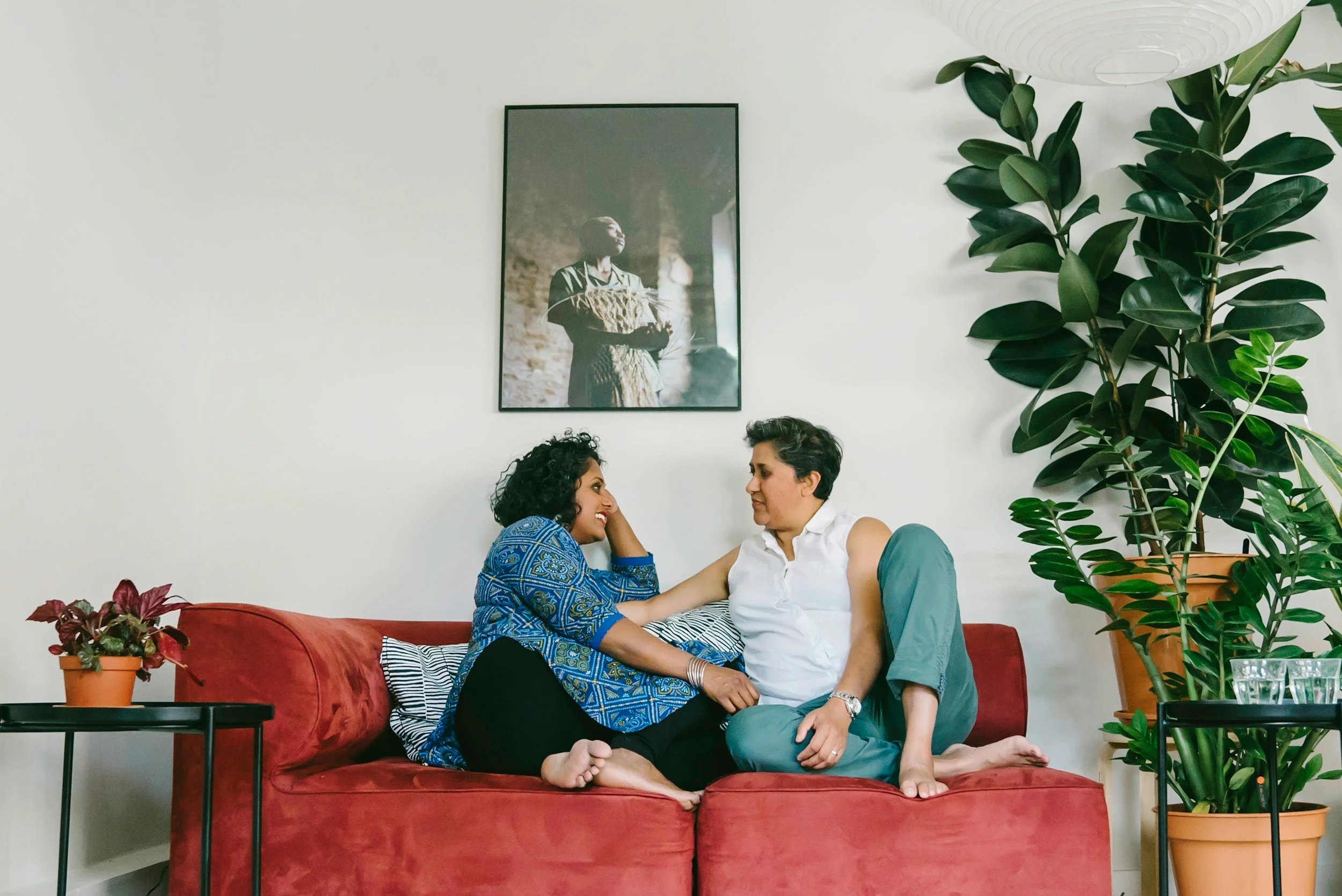
Couples counselling can help you to understand the patterns that have developed within your relationship and the ways in which you each respond when things become difficult.
Together, we can explore issues such as:
Communication and recurring arguments
Feeling disconnected or misunderstood
Loss of intimacy or closeness
Trust and difficulties following infidelity
Different needs, expectations or priorities
Conflict and difficulty resolving disagreements
Life changes and transitions
Family and parenting pressures
Anxiety, insecurity or jealousy within the relationship
Deciding whether you want to stay together and how to move forward
The aim is not to decide who is right or wrong, or to take sides. Instead, couples counselling can help you both to understand what is happening beneath the conflict and to communicate in a way that allows each of you to feel heard.
Understanding your relationship
Our relationships are influenced by much more than what happens between two people in the present. Our previous experiences, attachment styles and early relationships can all influence how we respond to closeness, conflict and emotional vulnerability.
Exploring these patterns can help you understand why certain situations can feel so difficult and why you may find yourselves falling into familiar cycles.
By developing a greater understanding of yourselves and each other, it becomes possible to approach your relationship differently and create healthier ways of communicating and connecting.

Space to stop, reflect and work on your relationship together.
What happens in couples counselling?
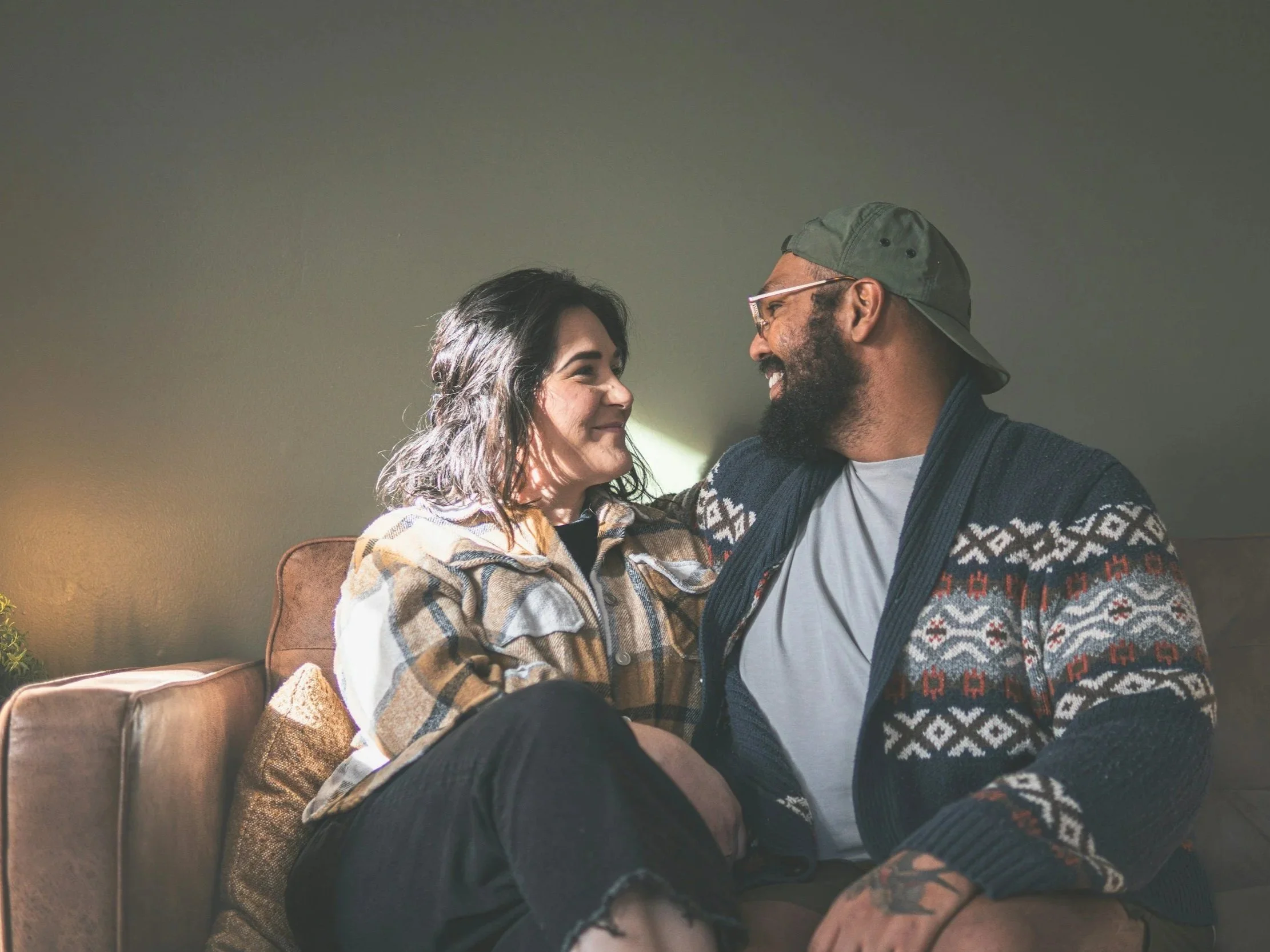
The first session is an opportunity for us to talk about what has brought you to counselling and what you would each like to get from the process. Sessions provide a confidential, non-judgemental space where both partners have the opportunity to speak openly. I will help you explore the difficulties within your relationship, while making sure that each of you has space to be heard.
I won’t tell you whether you should stay together or separate, or tell you what decisions you should make. My role is to help you understand your relationship more clearly, explore the issues that are causing difficulties and support you in making decisions that feel right for both of you.
When do couples come to counselling?

You don’t have to wait until things reach breaking point
Couples often come to counselling when their relationship is already in crisis, but you don’t have to wait until things have become overwhelming before asking for help.
Sometimes couples seek counselling because they recognise that they are becoming disconnected and want to address this before the problems become more difficult to resolve.
Whether you are struggling with a particular issue, caught in a cycle of conflict, or simply want to understand each other better, couples counselling can give you the space to stop, reflect and work on your relationship together.
Ready to take the first step?
If you are considering couples counselling, I offer a free 15-minute consultation where we can talk informally about what is happening and whether I might be able to help.
You don’t need to have everything figured out before you get in touch. Sometimes the first step is simply having someone to talk to.
